
Want to Apply for the DClinPsy but Not Sure if a Master's Is the Right Move?
Blerona Krasniqi
Thinking about applying for the Doctorate in Clinical Psychology, but unsure whether a master’s is the right step? You often hear that it’s better to go straight into gaining experience, but with roles like Assistant Psychologist posts being so competitive, that advice can feel frustrating. If that sounds familiar, I wanted to share my own reasons for choosing an MSc in Clinical Psychology in case it can help aid you in your own decision.
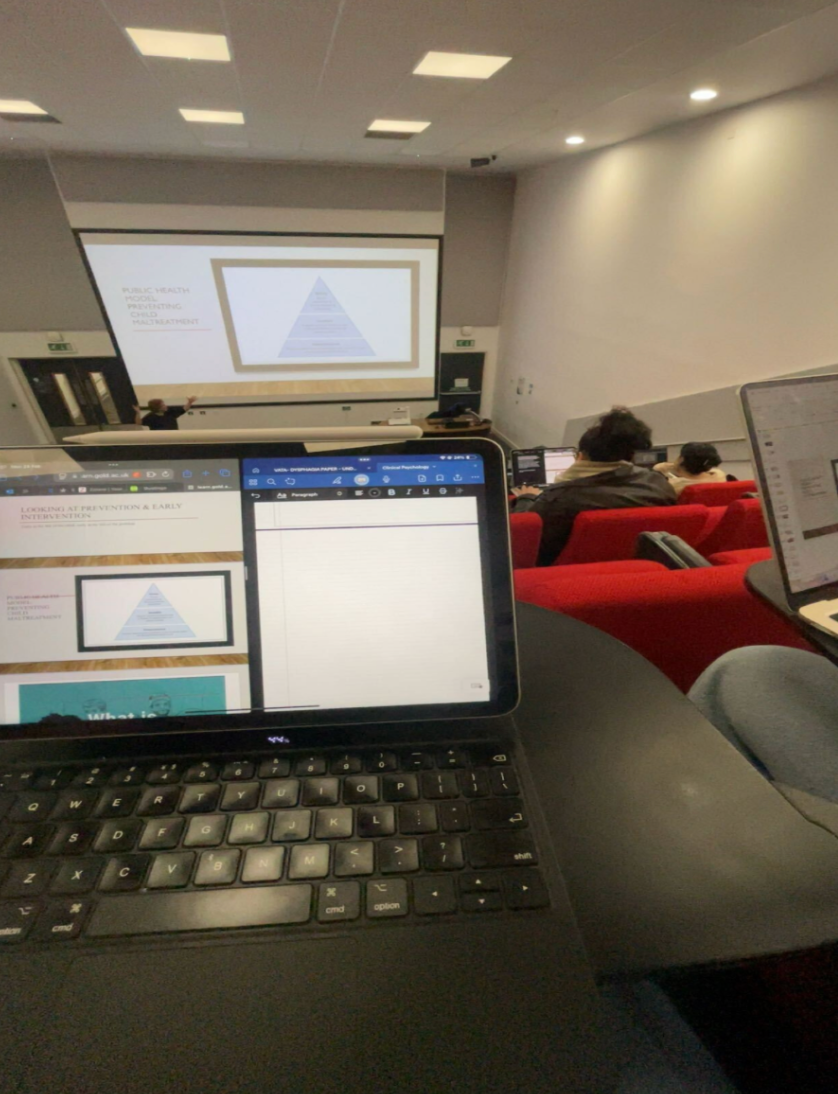
My Personal Reasons for Choosing It
For me, one of the biggest reasons for choosing an MSc in Clinical Psychology was that I genuinely enjoyed university and did not feel ready to stop learning yet, which probably sounds a bit weird. But I really liked studying psychology, being challenged, and getting to explore topics in more depth, so doing an MSc in Clinical Psychology felt like a natural next step for me.
Also, I wanted to develop my research skills further. Research and statistics are such a big part of psychology, and they are also a huge part of the DClinPsy route, so I felt that improving in this area would really benefit me. It made the MSc feel worthwhile, not just as another qualification, but as a way of building skills that actually matter.
Another personal reason was that I liked the idea of continuing from my BSc research. I did not want my undergraduate dissertation to be the end of that, therefore the thought of completing a master’s dissertation interested me because it gave me the chance to build on the work I had already started, focus on one topic in more depth, and keep growing as a researcher.
I was also really drawn to the placement side of the course as it meant that it was not just academic, but that it also included practical experience, and I was especially excited by the chance to work in IAPT services. That felt like a really valuable way to see psychology in practice and gain experience in a real setting.
Things I Enjoyed About the Master’s
One thing I found interesting was the mix of people in the course. A lot of students in my cohort were older, with most being over 25, whereas I had joined straight from my BSc, so I was definitely one of the younger ones. At first, that felt a bit different, but it actually ended up being one of the best parts of the course because you were not only learning from the lecturers, but also from the other students and their experiences. Some people had already worked in psychology roles, such as Assistant Psychologist posts, and others had already applied for the doctorate, so you ended up learning a lot from the people around you as well. It also meant you could make professional connections, bounce ideas off each other, and even make long-term friends, which was a really nice part of the experience.
Another benefit was that it felt much more comfortable and less overwhelming due to how much smaller the cohort was. In my master’s cohort there were around 15 of us, which felt very different from undergraduate lectures where there could easily be 150 or more students. I found it easier to ask questions, get to know people properly, and feel more involved in discussions.
Furthermore, I noticed that the relationship with lecturers felt much closer. It still felt professional, but there was definitely more contact and more opportunity to actually get to know them as teachers. That made it feel easier to ask for help, ask questions, and engage more with the course.
I also liked that people in the course were genuinely passionate about the subject. Being surrounded by like-minded people does make a difference by making the whole experience more motivating. Everyone wanted to be there, which created a really positive atmosphere.
The course also suited me because it involved more independence, which I personally prefer. I think because a master’s is more specific, the topics felt much more interesting and relevant, so I was more motivated to start assignments earlier. During my BSc, I definitely had moments where I procrastinated because I did not find a topic that engaging, which I am sure a lot of people can relate to. But with the MSc, I found myself much more interested in the content, which naturally made it easier to stay on top of the work.
Why Other People Might Choose a Master’s
Even though my reasons were quite personal, there are also lots of practical reasons why other people might choose to do a master’s too. For some people, it may be about keeping the DClinPsy open as a future option. A master’s is not always required, but it can help someone strengthen their academic profile, develop research skills, and show further study at postgraduate level.
For others, it may be more about their undergraduate background. Some people may not have a BPS-accredited psychology degree, so they may need to complete further accredited study, such as a conversion course, if they want to move forward in psychology. In that sense, a master’s can be an important step rather than just an optional extra.
Why It Can Help Academically
A master’s can also be worth considering because some universities are quite specific about grades. A lot of DClinPsy courses ask for at least a 2:1, and some may look for an overall average of 65% or above. If someone did not achieve that in their undergraduate degree, then a master’s can sometimes help strengthen their application.

For people with a 2:2, a master’s may be especially important if they want to apply to certain courses. At the same time, requirements do vary, so it is always worth checking each course individually rather than assuming every university is looking for the same thing. Looking through the DClinPsy Clearing House and the Alternative Handbook is probably the best way to get a clearer idea of what different courses expect.
Some of the Cons
I also think it is important to be honest about the downsides. A master’s is a big commitment, and it takes time, money, and a lot of energy. The workload can feel intense, especially when you are balancing assignments, research, and placement experience all at once.
It is also worth remembering that doing a master’s does not guarantee a place on the DClinPsy or any other psychology career path. That is why I think it is important to choose it for the right reasons. For me, it made sense because I enjoyed the subject and felt the course would genuinely help me grow, but I do not think it is something people should feel pressured into doing just because they are unsure of what to do next.
Tips and Final Thoughts
One tip I’d give is to message someone who’s already done the course you want to do and ask them about their experience. Honestly, it was one of the best pieces of advice I was given because it gave me a real insight into what the course was actually like and helped me understand the reality of it. Plus, you’ll make a connection with someone in the field, which can be really valuable too. Don’t be afraid to message people on LinkedIn either, from my experience, the majority of people are genuinely happy to help and share their advice.
In the end, I chose to do an MSc in Clinical Psychology because I enjoyed university, wanted to keep developing my knowledge and research skills, and valued the chance to build on my previous research while gaining placement experience. I know it can be hard to weigh up whether it is worth it, but for me, it felt like a positive and meaningful investment in my future.


Comments